We are dedicated to improving the lives of the children in the Oklahoma foster care system. Our specially trained volunteers strive to become a positive, stable influence for Oklahoma children while ensuring they have a voice in the courts and the services they need for a stable future. CASA programs serve 63 (blue counties) out of Oklahoma's 77 counties.

Oklahoma CASA is the statewide association for 19 local CASA programs. We work to connect each part of the CASA community and empower the local programs to perform at their highest level.
At the local level, the programs recruit, train, and supervise Court Appointed Special Advocate (CASA) volunteers to advocate for children involved in the child welfare system and improve their well-being. At the state level Oklahoma CASA provides financial support, training, and services to help the local programs operate in the most effective way possible to be able to provide best interest advocacy to the children of our state.
Oklahoma CASA is a 501(c)3 non-profit, statewide association.
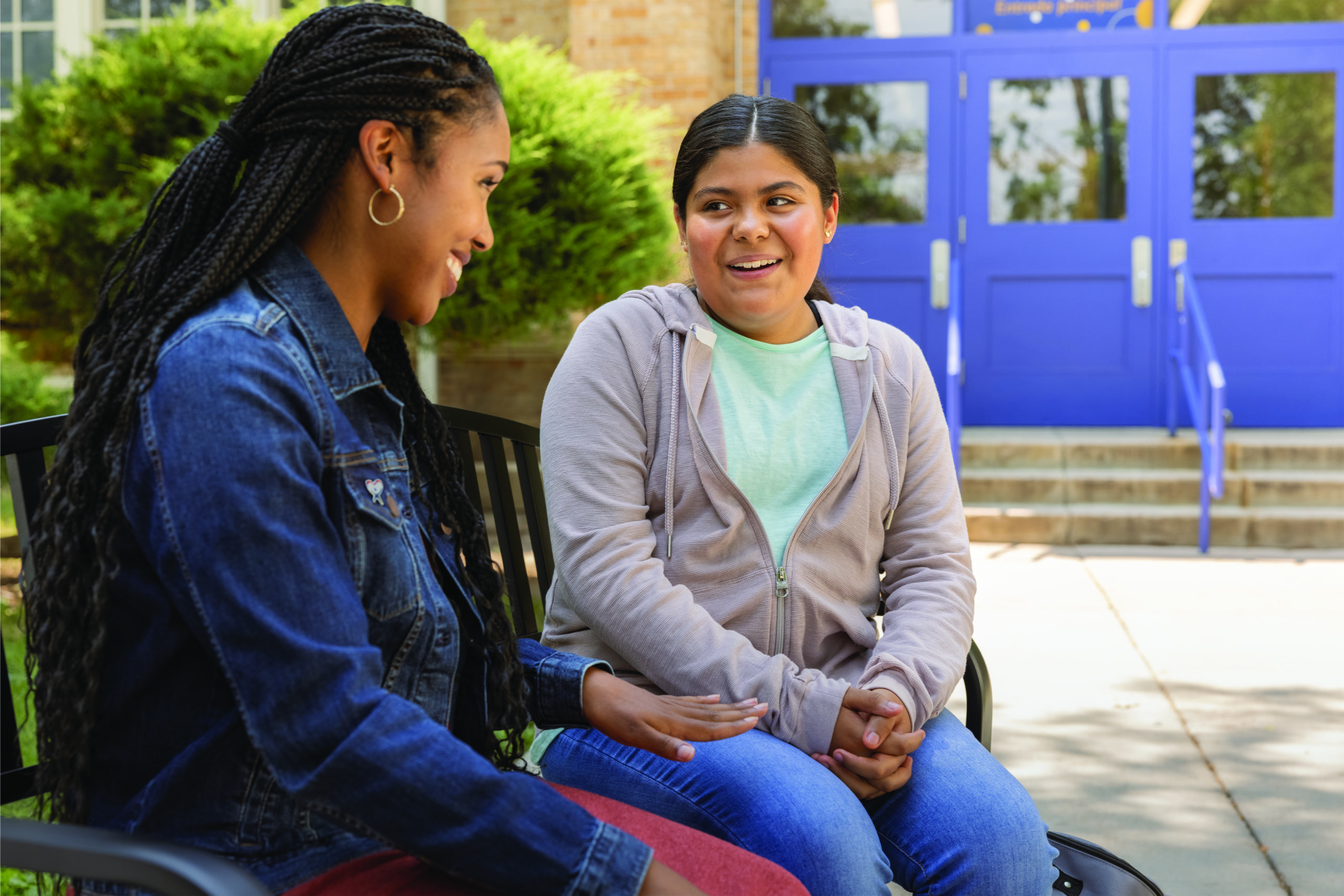
Each CASA volunteer dramatically improves the lives of children experiencing foster care.
Volunteer as a CASA - Stand up for a child today. Your advocacy gives children in the foster care system a voice. Helping a child begins in your heart – won’t you find out more today?
Thank you for your help.
Donate - Your donations help support local CASA programs throughout the state. From training staff and volunteers to creating initiatives that serve our most vulnerable population.
DONATEOther Ways to Get Involved:
-Provide your local or state office with additional day to day help
-Hire a former foster youth in your business
-Become a foster parent
-Spread the word about CASA!
Call your local program today to see how you can help.



Oklahoma CASA complies with applicable Federal Civil Rights Laws and does not discriminate based on race, color, sex, national origin, age, disability, military service or lack of military service, religious affiliations or belief, or sexual orientation, gender identity or expression.